Feedback
AI Ad Video Example
Loading...
MiniMax H3 to Video
Prompt your scene once and get a 2K video with audio embedded via MiniMax H3 to Video — clear speech in frame plus stable identity across cuts, fast.
All Tools
Discover our comprehensive AI-powered animation toolkit
MiniMax H3
MiniMax H3 AI Video Generator
Seedance 2.5
The Future of AI Video Is Here.
Seedance 2.0
The Future of AI Video Is Here.
FLUX 3 Video Generator
Kling 3.0
Next-Gen AI Video Generator
Grok Video Generator
Create Videos from Text or Images with AI
MiniMax H3 video generator
MiniMax H3 AI Video Generator
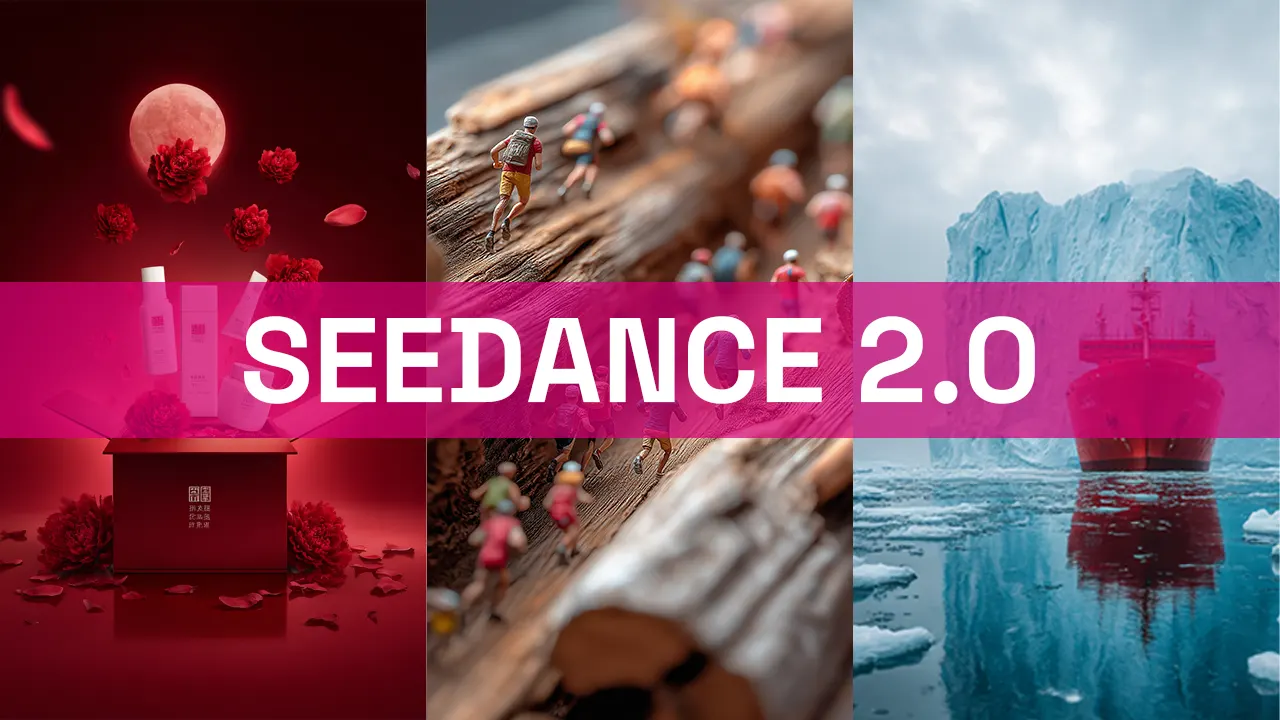
Seedance 2.0
The Future of AI Video Is Here.
What Makes MiniMax H3 to Video Essential
MiniMax H3 to Video is the H3 engine from MiniMax (also branded Hailuo 3.0) that converts a text description into 2K footage with its audio layer baked in. Since visuals and sound render together, calling out specific effects and exactly where they hit changes the output. Speech appears naturally in the frame with no separate dubbing step, visual references remain stable across cuts, and multi-scene sequences play out in the order specified in your text.
- Script-to-Clip with Integrated AudioDescribe what happens and receive live frames with sound built in — MiniMax H3 to Video renders picture and audio together in one go.
- Spoken Lines Captured in FrameFor vertical dramas and interview-style shots, the dialogue is delivered within the original take by MiniMax H3 to Video — no post-sync voiceover workflow required.
- Input-Guided Visual ConsistencySupply as many as 9 pictures, 3 video references, and 3 sound clips in a single pass, each with a labeled role — MiniMax H3 to Video pulls faces, places, movements, and voices from those anchors.
Getting Started with MiniMax H3 to Video
Create your first clip in three simple actions using MiniMax H3 to Video inside Morphic's endless canvas workspace.
Capabilities of MiniMax H3 to Video
Turn plain text into a completed 2K video with a full audio layer. MiniMax H3 to Video covers dialogue captured in-frame, reference-based continuity, and timed sequences spanning multiple shots automatically.
Text-to-Video with Live Audio
Type in what should happen and receive animated footage with its soundtrack already attached — specifying effects and exact cue positions is how you steer the output of MiniMax H3 to Video.
Character Speech in the Take
For vertical-drama formats with tight framing and shot/reverse-shot edits, the actor's lines are delivered during the original render — MiniMax H3 to Video captures performance and delivery in a single step.
Large Reference Input Capacity
9 images, 3 short videos, and 3 audio tracks can be uploaded together in one job, each tagged with a purpose — MiniMax H3 to Video pulls appearances, settings, movements, and voices from your supplied assets.
Time-Controlled Multi-Scene Output
Map out a storyboard of beats and several camera shots arrive within a single render — title cards, app tours, and product launches unfold in the exact sequence you wrote with MiniMax H3 to Video.
Model Comparison & Parallel Previews
Quickly render and place the output of MiniMax H3 to Video alongside alternative models on the Morphic canvas, so you can judge each take before picking your favorite.
Real 2K Export Quality
Clips finish at true 2K resolution with a fully mixed audio track from MiniMax H3 to Video — polished enough for titles, software walkthroughs, and product-story segments.
Frequently Asked Questions About MiniMax H3 to Video
Straightforward answers to the most common questions about creating text-to-video clips with MiniMax H3 to Video.
What exactly does MiniMax H3 to Video do?
It's the H3 model from MiniMax, also known as Hailuo 3.0, packaged as a text-to-video tool. MiniMax H3 to Video renders 2K clips that carry their own soundtrack, combining visuals and audio from a single text prompt.
Can it genuinely create audio?
Absolutely. MiniMax H3 to Video renders sound simultaneously with the picture. By specifying sound effects and their exact timing in your prompt, you control what's returned — spoken lines surface on screen with no dubbing stage required.
What prompt strategy gives the best initial result?
Structure your description around the subject, movement, framing, lighting, and target audio, then add timestamps for key moments. The more precisely you pace the beats, the better MiniMax H3 to Video matches your intention on the first attempt.
Are reference assets supported?
Yes. You can provide up to 9 images, 3 reference videos, and 3 audio tracks in a single processing run through MiniMax H3 to Video, each assigned a specific role — a person's face, a setting, a movement, or a voice stays true to your source material.
Can it handle sequences with multiple shots?
Certainly. Break your video into beats and MiniMax H3 to Video returns several shots within a single generation, letting opening titles, software demos, and product showcases resolve in the exact order you described.
What's the easiest way to test it against other AI models?
Inside the Morphic canvas, you can render clips quickly, switch engines, and place results from MiniMax H3 to Video next to outputs from Kling 3.0, Veo 3.1, Seedance 2.5, and Vidu Q3 — then pick the strongest take before exporting.
Start Creating with MiniMax H3 to Video Right Now
Put your scene description to work and get a finished 2K clip with its audio layer ready — on-camera speech, consistent references, and an endless canvas for experimentation, all powered by MiniMax H3 to Video.