

None
None
Long Story Video Skill
Turn your idea into 10s–10min video—AI writes scripts, prompts, and generates footage automatically.
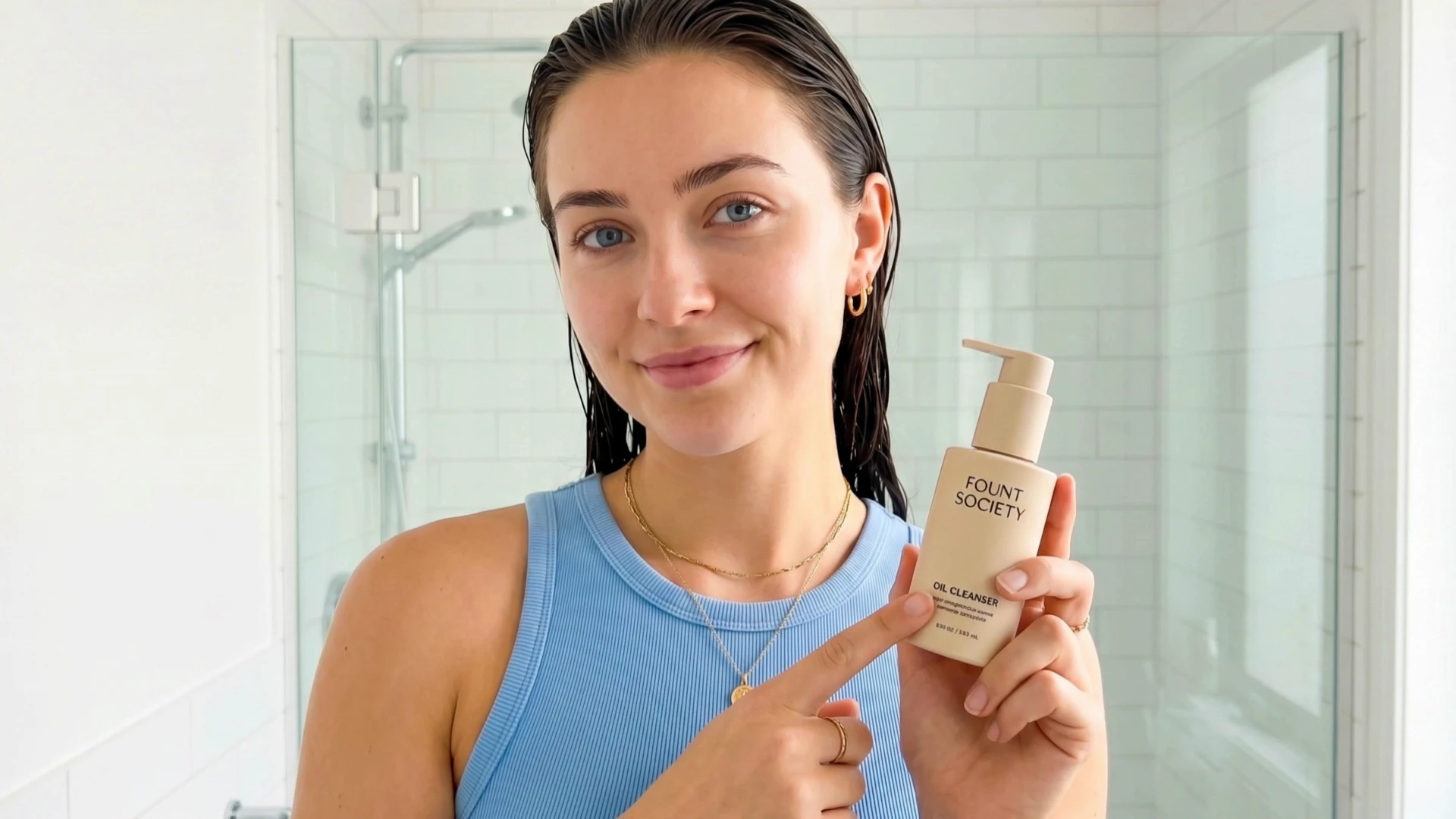
Ads Video Skill
Generate professional ads and sales videos—AI auto-generates scripts, prompts, and footage.
3D Science Explainer Video Skill
Convert scientific concepts into stunning 3D explain animations
Feedback
AI Ad Video Example
Loading...
Kling 4.0 AI Video Generator
Turn a script, a photo or a reference clip into polished 4K footage with Kling 4.0 AI Video Generator — voices and picture stay in sync.
All Tools
Discover our comprehensive AI-powered animation toolkit
MiniMax H3
MiniMax H3 AI Video Generator
Seedance 2.5
The Future of AI Video Is Here.
Seedance 2.0
The Future of AI Video Is Here.
FLUX 3 Video Generator
Kling 3.0
Next-Gen AI Video Generator
Grok Video Generator
Create Videos from Text or Images with AI
MiniMax H3 video generator
MiniMax H3 AI Video Generator
Seedance 2.0
The Future of AI Video Is Here.
Inside the Kling 4.0 AI Video Generator: What It Can Do
Developed by Kuaishou, this model reads your script, your stills and any reference material you supply, then renders a finished sequence. Omni Reference processes visuals and speech in one pass, keeping dialogue locked to the picture in every language.
- One Pool for Every ReferenceStills, clips, voice samples and character elements all feed the same slot, and a single project can hold up to fifteen of them combined.
- Dialogue That Stays on BeatEvery spoken line hits its cue against the picture, while two-channel stereo keeps each character's voice easy to tell apart.
- Three to Thirty Seconds per RunOne render delivers anywhere from three to thirty seconds; if you need more, lengthening the scene becomes a separate extension pass rather than part of the original job.
Running the Kling 4.0 AI Video Generator in Three Steps
From raw reference material to a reviewed, downloadable clip — the whole workflow fits into three short moves.
Core Strengths of the Kling 4.0 AI Video Generator
Longer runtimes, stacked reference inputs and precise command over sound and image — all delivered by one engine.
Half a Minute in One Pass
A single render reaches thirty seconds, enough space for an opening, a turning point and a payoff.
720p, 1080p or 4K Delivery
Choose your resolution and match the frame to the platform — 21:9, 16:9, 1:1, 9:16 or Auto, from vertical feeds through to widescreen product reels.
Fifteen Reference Slots to Fill
Spend a single allowance of fifteen across photos, clips, audio samples and characters — say ten stills, or five clips totalling thirty seconds, or seven subjects.
Voices That Work in Any Language
Supply audio samples to shape how each character sounds; the visuals and stereo mix follow along no matter which language is spoken.
Ten Keyframes Under Your Command
Pin down pivotal moments with up to ten stills, dictating a character's appearance, the timing of a scene change and the way a shot begins and ends.
Surgical Edits on Finished Footage
Adjust an expression, a movement, a location or the overall grade by supplying up to five clips — one as the primary take — each between three and thirty seconds and no longer than thirty in combination.
Frequently Asked Questions About Kling 4.0 AI Video Generator
Straight answers on clip length, output quality, reference limits, editing, credit costs and API access.
Which clip lengths, resolutions and aspect ratios can I use?
Renders last anywhere from three to thirty seconds and can be exported at 720p, 1080p or 4K. HDR sits in a separate setting from resolution, so double-check what your final delivery needs.
What is the maximum number of Omni Reference assets?
The overall cap is fifteen, and it covers photos, clips, audio samples and character elements equally. Category limits all come out of that one pool, so they never stack on top of each other.
Are voice references included in the fifteen-asset cap?
Yes — audio samples come out of the same fifteen. Sound and image stay aligned whatever the language, so it pays to review each line once the render finishes.
What does targeted video editing actually do?
Upload up to five clips with one designated as the primary take. Every clip has to sit between three and thirty seconds, and the group cannot pass thirty in total; then state which expression, movement, location or grade should change.
How is Kling 4.0 different from Kling 3.0 or Seedance 2.5?
Compare them on clip length, picture quality, accepted inputs and the level of control each provides. Kling 4.0 doubles the ceiling to thirty seconds, and brings ten keyframes and fifteen Omni Reference slots that earlier versions lack.
What credits does it cost, and can I access it through an API?
Any Kling Motion Control credits in your account work here, and the figure shown on the generate button updates as you change settings. Web access does not guarantee an API — confirm model IDs, accepted inputs and billing directly with your provider.
Put the Kling 4.0 AI Video Generator to Work
Your Kling Motion Control balance transfers with no extra setup — glance at the cost before you render, and keep the prompts that gave you the best results.